Save up to 15% today
Behind the Bottle, Part 2: The Illusion of Luxury Perfume — Inside the Fragrance Marketing Machine
Ever wonder why luxury perfume is so expensive? Go inside the multi-million dollar marketing campaigns, celebrity deals, and illusions of the fragrance industry.
BEHIND THE BRANDTHE SCIENCE OF SCENTFRAGRANCE EDUCATION
No Ditty Specialty Oils
5/22/20262 min read


n Part 1 of our Behind the Bottle series, we broke down how physical packaging and brick-and-mortar retail markups inflate the cost of traditional luxury perfumes. We revealed a truth that surprises many: the liquid inside the bottle—the "juice"—frequently accounts for less than 5% of the retail price tag.
If you aren't paying for the ingredients, what are you actually buying when you hand over $300 at a high-end counter?
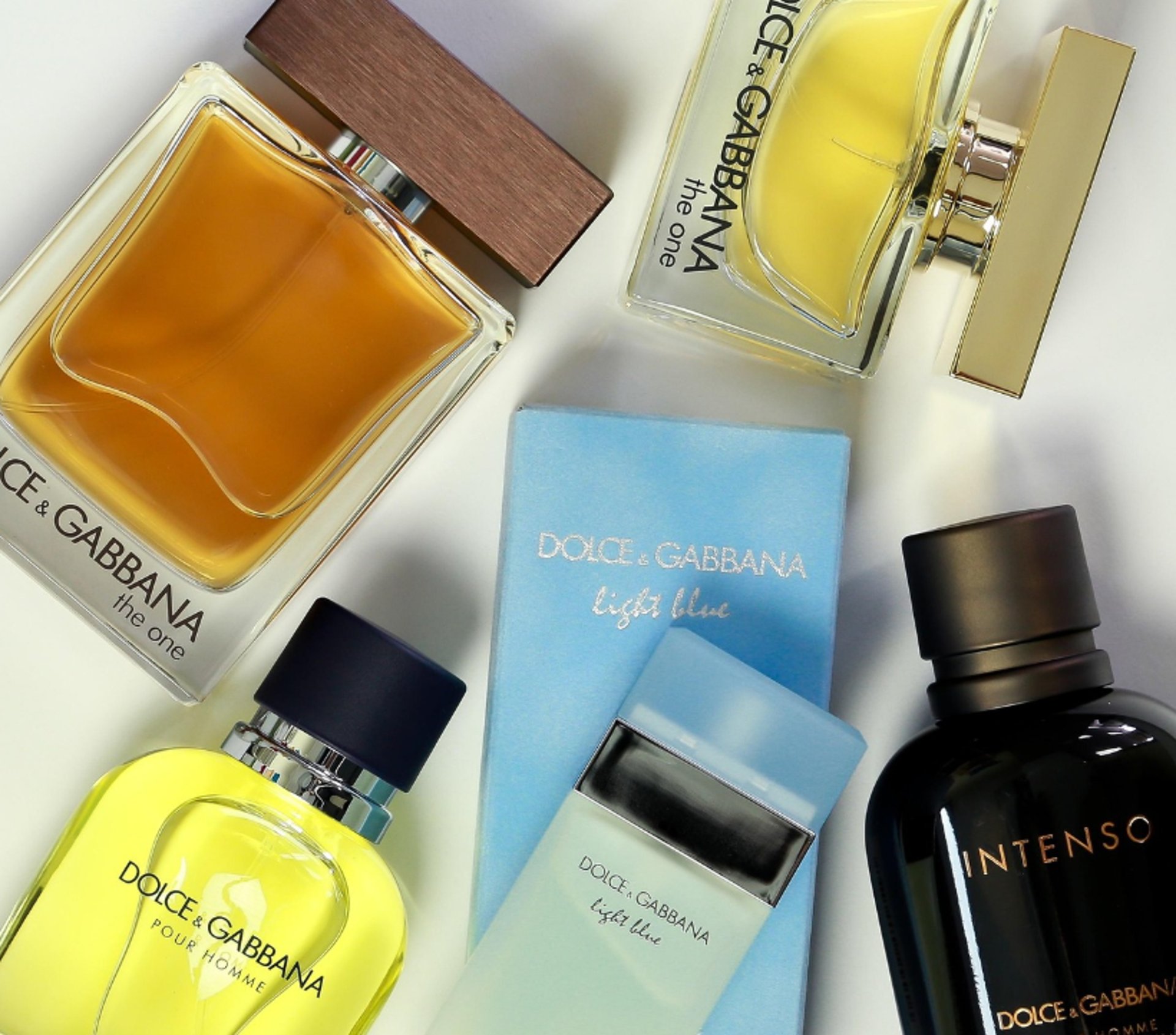
You are paying for an illusion. Because fragrance cannot be seen, tasted, or heard through a screen, the traditional perfume industry relies on the most expensive marketing and advertising infrastructure in the world to make you "feel" a scent before you ever smell it.
1. The Multi-Million Dollar "Face" of the Fragrance
When a designer brand launches a new flagship scent, the first line item on their budget isn't sourcing premium raw materials. It is hiring an A-list Hollywood actor, supermodel, or pop star to become the "face" of the campaign.
These aren't standard modeling gigs; they are historic, multi-million dollar contracts:
Traditional luxury houses routinely pay top-tier celebrities between $4 million to $15 million per year for a single fragrance partnership.
These celebrities sign strict exclusivity clauses, ensuring they are visually tied to the lifestyle that the perfume represents.
2. Cinematic Commercials and Global Takeovers
Once a brand has its celebrity, they don't just shoot a simple commercial. They hire Oscar-winning directors and high-fashion photographers to create short, cinematic films that cost upwards of $10 million to $20 million to produce.
But production is only half the battle. The real overhead explodes during the global media rollout:
Prime Placement: Securing high-visibility television slots during major live events, global airport terminal takeovers, and massive digital billboards in Times Square.
The "Scent Strip" Tax: Shipping millions of glossy magazine inserts with embedded fragrance strips to households worldwide.
3. Selling the Story, Not the Scent
Traditional luxury advertising works because it masters human psychology. Because a camera cannot capture how beautiful an amber, oud, or vanilla note smells, the marketing machine sells you an aspirational narrative instead:
They sell status by showing an immaculate penthouse.
They sell romance and desire through high-production cinematic tension.
Flip the Formula: Investing in the Scent, Not the Hype
The massive advertising overhead of traditional legacy houses is precisely why independent fragrance design is turning the industry upside down.
Independent houses don't have multi-million dollar celebrity payrolls or global billboard campaigns. By cutting out the noise of massive advertising agencies, creators can take those exact same resources and channel them straight back into the product.
Instead of spending millions to convince you a product is luxurious, independent houses spend their capital on what actually impacts your day: sourcing high-concentration, masterfully blended fragrance oils (like 25% Pure Parfum Oils and 35% Extrait de Parfum Sprays) that offer incredible longevity on the skin.
The next time you see a glamorous, high-budget fragrance commercial, ask yourself: Am I paying to fund a Hollywood production, or am I paying for an extraordinary scent?
"No Ditty Specialty Oils provides premium, artisanal fragrance oils and professional-grade concentrates for creators and brands."
Newsletter
(512) 920-2265
© 2026. All rights reserved.
Shipping Policy | Refund Policy | Privacy Policy | Terms & Conditions